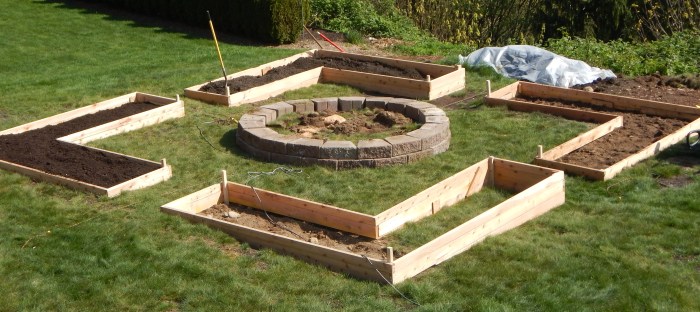
Raised bed gardening opens up a world of possibilities for both novice and experienced gardeners alike. By elevating your planting area, you can create a more manageable and productive garden space that not only enhances your gardening experience but also contributes positively to your landscape.
This approach offers multiple benefits, such as improved soil drainage, enhanced aeration, and greater ease of access, making it an appealing option for those looking to maximize their gardening efforts. With the right materials and a bit of creativity, raised bed gardening can bring life to any outdoor space.
Benefits of Raised Bed Gardening

Raised bed gardening offers numerous advantages that can enhance both the gardening experience and the quality of the crops produced. This innovative approach to gardening differs fundamentally from traditional in-ground methods, providing a more efficient and enjoyable way to cultivate plants. The unique structure of raised beds allows for improved conditions that can significantly benefit both novice and experienced gardeners alike.One of the key benefits of raised bed gardening is the enhancement of soil drainage and aeration.
Traditional gardening often faces challenges like compacted soil, poor drainage, and inadequate aeration, which can lead to stunted plant growth and various root diseases. Raised beds, on the other hand, are built above the existing ground level and are often filled with a carefully curated soil mix. This setup allows water to drain freely, preventing the roots from sitting in waterlogged conditions.
The elevated structure also promotes better air circulation within the soil, which is essential for healthy root development.
Soil Drainage and Aeration
The optimal management of soil is crucial for any gardener, and raised beds excel in this aspect. Improved soil drainage and aeration lead to healthier plants. In raised beds:
-
Excess water drains away efficiently, reducing the risk of root rot and other moisture-related issues.
- Soil compaction is minimized, allowing roots to expand more freely.
- The warmer soil temperatures in raised beds encourage earlier planting and longer growing seasons.
Additionally, the materials used for constructing raised beds can further enhance these benefits. For instance, using untreated wood or composite materials can help maintain a friendly environment for beneficial microorganisms that improve soil health.
Increased Yield and Access
Another significant advantage of raised bed gardening is the potential for increased yield. The controlled environment of raised beds often leads to:
-
Higher crop productivity due to improved nutrients and soil conditions.
- Better pest and weed management, thanks to the defined boundaries of raised beds.
- Extended growing seasons resulting from warmer soil temperatures.
Furthermore, raised beds are designed to be accessible, making gardening easier for individuals with mobility issues. The elevated height of these beds allows gardeners to tend to their plants without excessive bending or stretching, providing a more comfortable gardening experience. In summary, raised bed gardening stands out for its numerous benefits, such as enhanced soil quality, increased crop yields, and improved accessibility for gardeners.
These advantages make raised beds an appealing choice for anyone looking to maximize their gardening success.
Materials and Construction of Raised Beds
When it comes to raised bed gardening, choosing the right materials and knowing how to construct the beds are crucial for success. The materials you select will influence the durability, aesthetics, and overall functionality of your garden beds. Additionally, understanding the construction process will ensure that your raised beds are built to last and provide optimal growing conditions for your plants.
Materials Suitable for Building Raised Garden Beds
Selecting the right materials for your raised bed garden is essential for longevity and functionality. Various materials can be used to build raised beds, each with its advantages and disadvantages. Below are some popular options:
- Wood: Untreated cedar or redwood are excellent choices due to their natural resistance to rot and insects. Pine is more affordable but has a shorter lifespan.
- Cinder Blocks: These are durable and allow for excellent drainage. They can also be creatively arranged for unique designs.
- Metal: Galvanized steel or corrugated metal offers a modern look and is resistant to weathering, although it can heat up quickly in direct sunlight.
- Recycled Materials: Old pallets or reclaimed wood are eco-friendly options that can add character to your garden, but ensure they are free from chemicals.
- Plastic: Durable plastic beds are lightweight and resistant to rot, making them a convenient option. However, they may not have the same aesthetic appeal as natural materials.
Step-by-Step Guide to Constructing a Raised Bed
Constructing a raised bed is a straightforward process that can be tailored to your space and gardening needs. Below is a step-by-step guide to help you through the construction process.
1. Choose your location
Look for a spot that receives at least 6-8 hours of sunlight a day and has good drainage.
2. Decide on dimensions
A common size for raised beds is 4 feet wide by 8 feet long, and about 12-24 inches deep. This size allows easy access from all sides.
3. Gather materials
Assemble your chosen materials, ensuring you have enough for the dimensions you’ve decided.
4. Prepare the site
Clear the area of grass and weeds. If using wood, consider lining the bottom with landscaping fabric to prevent weeds from growing up into the soil.
5. Build the frame
For wooden beds, cut the boards to size and secure them with screws or brackets to form the shape of your bed. For cinder blocks, simply stack them to the desired height, ensuring stability.
6. Fill the bed
Add a mixture of soil, compost, and other organic materials to create a nutrient-rich growing environment.
7. Water thoroughly
After filling the bed, water the soil to help it settle and eliminate any air pockets.
Choosing the Right Location for Optimal Sunlight and Drainage
Choosing an ideal location for your raised bed is vital for plant growth. Key factors to consider include sunlight exposure and drainage capabilities.To ensure optimal growth conditions, focus on the following aspects:
- Sunlight: Locate your raised bed in an area where it will receive full sun for most of the day, ideally at least 6-8 hours.
- Drainage: Avoid low spots where water tends to pool. Look for a gently sloping area or raised ground to allow excess water to drain away.
- Accessibility: Position the bed so it is easily accessible for regular maintenance, watering, and harvesting.
- Proximity to Water Source: Consider placing your raised bed near a water source to make irrigation easier.
Choosing the right location can significantly enhance plant health and yield.
Integration of Raised Bed Gardening with Real Estate and Home Improvement
Raised bed gardening is not only a practical solution for gardening enthusiasts but also a fantastic way to enhance property value and overall appeal. Incorporating raised beds into a home’s landscape can transform outdoor spaces, making them more inviting and functional. As home improvement trends increasingly lean towards sustainability and aesthetics, raised bed gardening fits perfectly into this vision.
Enhancing Property Value and Appeal
Investing in raised bed gardening can significantly boost a property’s marketability. Potential buyers often look for homes that offer unique features and outdoor spaces that can be utilized for various activities. Raised beds provide a visually appealing option for home landscaping, showcasing a property’s potential for gardening and outdoor enjoyment.
-
Properties with well-designed gardens can sell for up to 20% more than those without.
This statistic highlights the financial benefits of improving outdoor spaces.
- Raised beds can create defined space for plants, making gardens look organized and well-maintained, which is attractive to buyers.
- Incorporating edible plants in raised beds adds a unique touch, appealing to health-conscious buyers looking for sustainable living options.
Design Ideas for Aesthetic Improvement
The integration of raised beds into landscaping can enhance the visual appeal of a property. Creative design choices can turn a simple garden area into a stunning focal point.
- Using different materials for raised beds, such as wood, stone, or metal, can create diverse textures that complement the existing landscape.
- Incorporating paths or borders around raised beds can help define the garden space and improve accessibility, making it more functional.
- Planting colorful flowers or aromatic herbs in raised beds can add vibrant splashes of color and pleasant scents, enhancing the outdoor atmosphere.
Contribution to Sustainable Home Practices
Raised bed gardening aligns seamlessly with eco-friendly living by promoting sustainable practices. Homeowners can incorporate raised beds into their sustainability efforts effectively.
- Raised beds encourage efficient use of space, making it easier to grow organic vegetables and herbs, reducing reliance on store-bought produce.
- They can aid in water conservation through better drainage and soil management, leading to less water waste.
- Using recycled materials for constructing raised beds not only reduces waste but also lowers the carbon footprint associated with gardening.
By integrating raised bed gardening into home improvement strategies, homeowners can enjoy a multitude of benefits, from increased property value to enhanced aesthetics and sustainable practices. This gardening method exemplifies how thoughtful design can lead to a more enjoyable and environmentally friendly living space.
Closing Summary
In conclusion, raised bed gardening provides a unique and efficient way to cultivate plants while adding beauty and value to your property. By integrating this gardening method into your home improvement plans, you can enjoy a sustainable practice that not only benefits your garden but also enriches your living environment. So why not elevate your gardening game with raised beds?
Answers to Common Questions
What are the best materials for raised beds?
Common materials include wood, metal, bricks, and composite materials, each offering different aesthetics and durability.
How deep should a raised bed be?
A depth of 12 to 24 inches is ideal, allowing for sufficient root growth and soil health.
Can I use treated wood for raised beds?
It’s best to avoid treated wood that contains harmful chemicals; opt for natural options or untreated wood instead.
How often should I water raised beds?
Watering frequency depends on the plants and climate, but typically raised beds require more consistent watering than in-ground gardens.
What can I grow in raised beds?
Almost any plant can thrive in raised beds, including vegetables, herbs, and flowers, allowing for great versatility in gardening.