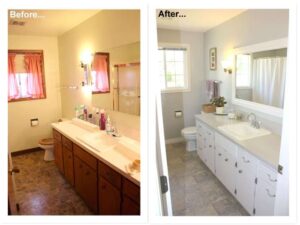
Indoor plant care tips open the door to a world of vibrant greenery and the joys of nurturing life within your home. Whether you’re just starting your plant journey or looking to enhance your existing collection, understanding the fundamentals can make all the difference. This guide will walk you through essential practices for keeping your indoor plants healthy and flourishing.
From selecting the right potting mix to managing light conditions, we’ll cover the basics of indoor plant care, common issues you may encounter, and even how to beautifully integrate plants into your home design. Get ready to dive into the lush world of indoor gardening!
Indoor Plant Care Basics
Indoor plants can bring a vibrant touch of nature into your home, improving air quality and enhancing your overall mood. However, taking care of these green companions requires an understanding of their specific needs. Whether you are a seasoned plant parent or a newbie, grasping the essentials of indoor plant care can greatly enhance your success in keeping your plants thriving.When it comes to indoor plant care, several factors play a crucial role in ensuring that your plants remain healthy and flourishing.
Essential practices include understanding the right lighting conditions, choosing the appropriate soil, and maintaining proper watering techniques. Each plant species has unique requirements, and getting these basics right sets the foundation for a thriving indoor garden.
Ideal Lighting Conditions
Lighting is a fundamental aspect of indoor plant care as it directly influences plant growth and overall health. Different types of indoor plants require varying levels of light to thrive. Here’s a breakdown of common light requirements:
- Low Light Plants: These plants can thrive in indirect sunlight or low-light conditions. Examples include snake plants and pothos. They are perfect for rooms with little natural light.
- Medium Light Plants: These varieties require bright, indirect light for a few hours each day. Consider peace lilies and spider plants, which can adapt well to such environments.
- High Light Plants: For those that require direct sunlight, placements near windows are ideal. Succulents and cacti thrive in these conditions, flourishing with plenty of bright light.
Understanding the light requirements for your specific plants is essential. Place them in locations where they can receive the proper amount of light without being scorched or deprived.
Importance of Soil Quality
The quality of soil is integral to the success of indoor plants. Good potting mix not only supplies nutrients but also aids in water retention and drainage, preventing root rot. When choosing a soil mix, consider the following points:
- Drainage: A well-draining soil mix helps prevent excess moisture around the roots, which can lead to fungal diseases. Look for soil that contains perlite or coarse sand.
- Nutrients: High-quality potting mixes often contain fertilizers that provide essential nutrients like nitrogen, phosphorus, and potassium, supporting healthy growth. Organic options are also available.
- pH Balance: The pH level of the soil affects nutrient availability. Most indoor plants thrive in a soil pH between 6.0 and 7.0. Testing kits are available to measure pH levels accurately.
Choosing the right potting mix is a fundamental aspect of indoor plant care that can significantly affect your plants’ health and growth.
“Healthy soil leads to healthy plants.”
Common Indoor Plant Issues
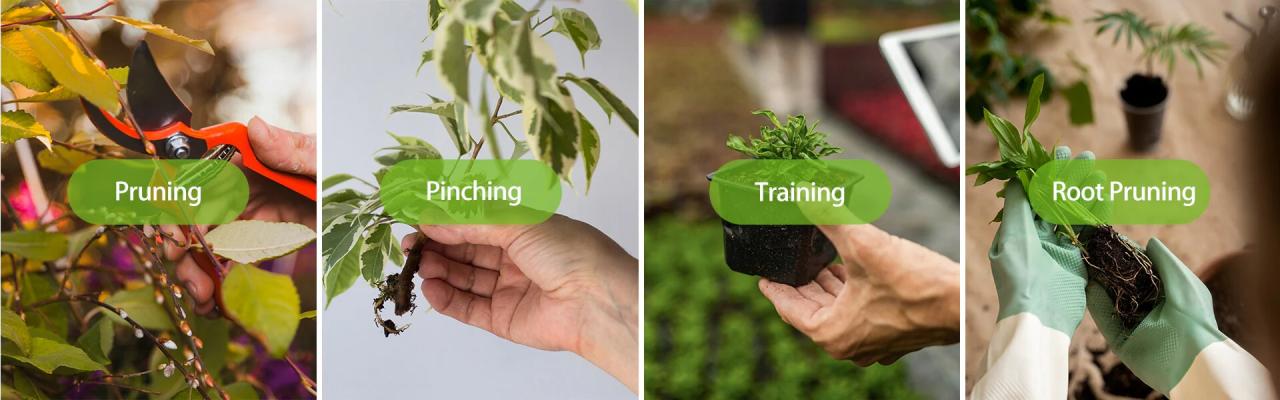
Indoor plants, while a fantastic way to liven up your living space, can sometimes face challenges that hinder their health and growth. Recognizing and addressing these common issues is key to maintaining vibrant and thriving plants. Below, we will explore prevalent problems, including pests, watering concerns, and humidity challenges.
Pests Affecting Indoor Plants
Indoor plants can attract a variety of pests, which can cause significant damage if not managed promptly. Being aware of the common pests and their signs is crucial for effective treatment.
- Spider Mites: Tiny, spider-like pests that can cause stippling on leaves. Early signs include webbing and yellowing foliage. To manage them, increase humidity and use insecticidal soap or neem oil.
- Aphids: Small green or black bugs that cluster on new growth and stems. They can be controlled with a strong spray of water or neem oil.
- Mealybugs: White, cottony clusters found in leaf joints. They can be treated with cotton swabs dipped in rubbing alcohol.
- Scale: Hard, shell-like pests that attach to stems and leaves. Remove them manually, and follow up with insecticidal soap.
Signs of Overwatering and Underwatering
Proper watering is essential for the health of indoor plants, and recognizing the signs of overwatering and underwatering is vital for their care. Signs of overwatering include:
- Yellowing leaves that may drop prematurely.
- Root rot, which can be identified by a foul smell coming from the soil.
To remedy overwatering, allow the soil to dry out completely and ensure pots have drainage holes to prevent standing water.Signs of underwatering include:
- Crispy, brown leaf edges and drooping leaves.
- Soil pulling away from the pot edges.
The remedy for underwatering is simple: water the plant thoroughly, allowing the water to penetrate the soil while ensuring it drains properly.
Solutions for Low Humidity Levels
Indoor environments often have low humidity, which can adversely affect tropical plants that thrive in moisture-rich conditions. Low humidity can lead to dry leaf edges and stunted growth. To combat low humidity, consider the following strategies:
- Grouping Plants: Placing plants close together increases moisture in the air around them.
- Humidifiers: Using a humidifier can effectively raise humidity levels in the room.
- Water Trays: Fill shallow trays with water and pebbles, and place them under the plants to provide moisture.
- Regular Misting: Lightly misting leaves can temporarily elevate humidity, but it should not be the sole method.
Integrating Indoor Plants into Home Design
Incorporating indoor plants into your home design can significantly elevate the aesthetic appeal and ambiance of your living space. Not only do these plants add a splash of color and life, but they also contribute to improved air quality and a sense of tranquility. Let’s explore how to effectively integrate plants into real estate staging, enhance home improvement projects, and choose furniture that complements your indoor plant display.
Integrating Indoor Plants into Real Estate Staging
When staging a home for sale, the presence of indoor plants can create an inviting atmosphere that appeals to potential buyers. Plants can enhance the perception of space and warmth, making rooms feel more welcoming. Here are some effective ways to incorporate plants into real estate staging:
- Highlight Architectural Features: Place tall plants near windows or in corners to draw attention to architectural details, such as high ceilings or large windows.
- Create Focal Points: Use large potted plants, like a fiddle leaf fig, as a statement piece in the living room to attract the eye and create a focal point.
- Balance Colors: Choose plants that complement the color palette of the home. For example, vibrant green plants can contrast beautifully with neutral walls.
- Softening Edges: Use plants to soften hard edges of furniture and architecture, providing a gentle transition between indoor and outdoor spaces.
Benefits of Indoor Plants in Home Improvement Projects
Indoor plants not only enhance aesthetics but also provide numerous benefits that can make home improvement projects more successful. Adding greenery can improve mood, productivity, and even the overall perception of the space. Here are some noteworthy benefits:
- Air Quality Improvement: Plants like snake plants and peace lilies help filter indoor air pollutants, enhancing the overall air quality in the home.
- Increased Property Value: Homes that integrate greenery often appeal more to buyers, potentially increasing property value and speeding up the sale process.
- Natural Humidifiers: Certain plants can naturally add moisture to the air, which can be particularly beneficial in dry climates or during winter months.
- Stress Reduction: The presence of plants has been linked to stress reduction and improved mental well-being, making your home a more relaxing environment.
Selecting Furniture to Complement Indoor Plant Displays
Choosing furniture that harmonizes with indoor plants is crucial for creating a cohesive design. The right furniture can enhance the beauty of your plants while maintaining functionality. Here are some tips to consider:
- Choose Natural Materials: Opt for wooden or rattan furniture, which provides an organic look that complements the natural aesthetic of plants.
- Color Coordination: Select furniture colors that enhance the vibrancy of your plants. Neutral tones often work best to allow the greenery to stand out.
- Functional Display: Use plant stands or shelves that integrate seamlessly with your furniture layout, providing space for plants without cluttering the area.
- Scale Matters: Ensure that the size of the furniture is proportional to the plants; larger furniture can support larger plants, creating a balanced and inviting space.
“Incorporating indoor plants into home design not only beautifies spaces but also enhances well-being and functionality.”
Final Wrap-Up
In summary, mastering indoor plant care tips not only promotes the health of your plants but also elevates your living space. By being mindful of their needs and integrating them thoughtfully into your home, you create a sanctuary that benefits both you and your plants. Remember, a little attention goes a long way in cultivating a green oasis right where you are.
FAQ
How often should I water my indoor plants?
Watering frequency depends on the plant type, size, and environment; generally, check the top inch of soil—if it’s dry, it’s time to water.
What are signs of a healthy indoor plant?
Healthy indoor plants usually have vibrant leaves, sturdy stems, and show new growth, indicating they are thriving.
Can I use regular garden soil for indoor plants?
It’s best to use a specific potting mix designed for indoor plants, as it provides better drainage and aeration.
How can I increase humidity for my indoor plants?
You can increase humidity by misting the plants, using a pebble tray with water, or placing a humidifier nearby.
Are there any plants that thrive in low light?
Yes, plants like pothos, snake plants, and ZZ plants are known for thriving in low light conditions.